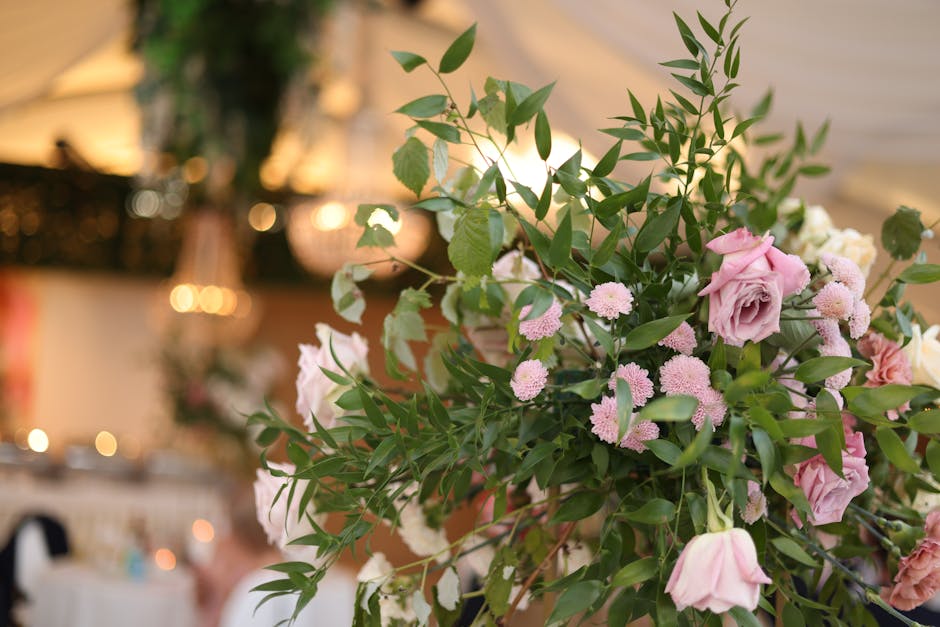
Real cost of wedding flowers in Cricklewood venues
Posted on 30/10/2026
Wedding flowers can look effortless from the outside. A bouquet, a few buttonholes, some centrepieces, maybe a ceremony arrangement or two. Then the quotes arrive, and suddenly the numbers feel very real. If you are trying to understand the real cost of wedding flowers in Cricklewood venues, you are probably juggling a venue budget, guest numbers, seasonality, and the not-so-small detail that flowers have to arrive fresh and on time. That's the bit people underestimate.
This guide breaks the topic down in plain English. You will see what actually drives the price, how florists build wedding packages, where couples overspend, and how to make sensible choices without making the day look stripped back. Cricklewood weddings can range from intimate hotel receptions to larger celebrations with multiple floral touchpoints, so the right budget depends on the shape of your day. Let's get into the details properly.
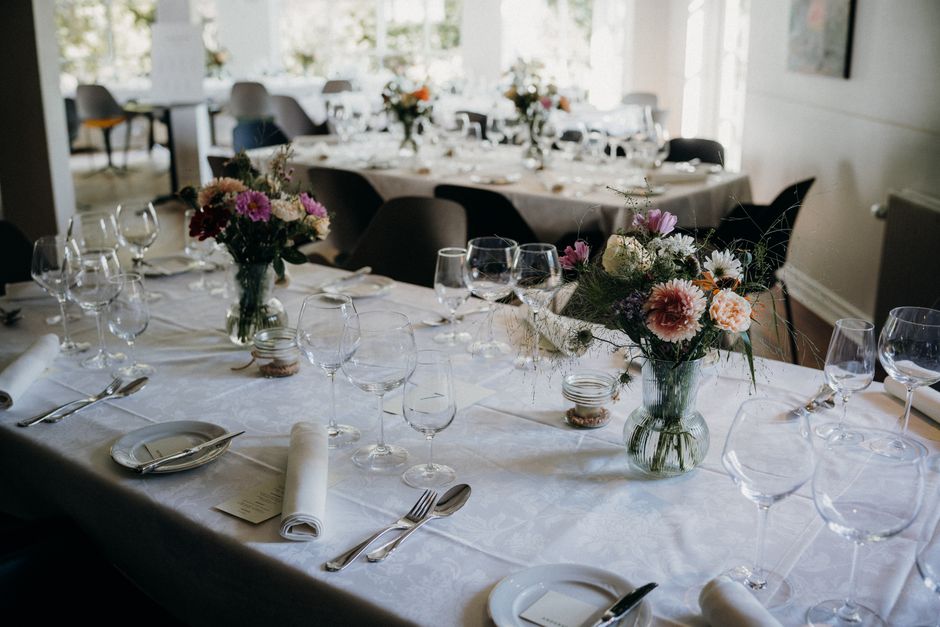
Table of Contents
- Why Real cost of wedding flowers in Cricklewood venues Matters
- How Real cost of wedding flowers in Cricklewood venues Works
- Key Benefits and Practical Advantages
- Who This Is For and When It Makes Sense
- Step-by-Step Guidance
- Expert Tips for Better Results
- Common Mistakes to Avoid
- Tools, Resources and Recommendations
- Law, Compliance, Standards, or Best Practice
- Options, Methods, or Comparison Table
- Case Study or Real-World Example
- Practical Checklist
- Conclusion
- Frequently Asked Questions
Why Real cost of wedding flowers in Cricklewood venues Matters
Wedding flowers are not just decoration. They shape the atmosphere, tie the venue to the couple's style, and often appear in the photos you keep forever. In Cricklewood, where venue styles can vary a lot, flowers also help soften rooms that may feel quite plain, or complement spaces that already have strong character. That matters because the same arrangement can look spectacular in one venue and underwhelming in another. Venue scale changes everything.
Understanding the real cost helps you avoid two common problems. First, under-budgeting, which leads to awkward compromises late in the planning process. Second, overbuying flowers that don't actually add much visual value on the day. Truth be told, a lot of wedding flower spending comes from not knowing where the visual impact really is.
For example, a couple might assume a dramatic ceremony arch is the must-have centrepiece, only to realise their venue has a long aisle, several guest tables, and a reception entrance that would create more overall impact if dressed well. In other words, the best value is not always where you first expect it.
Expert summary: the real cost of wedding flowers in Cricklewood venues is shaped less by "how many flowers" and more by design complexity, season, delivery timing, installation effort, and what the venue space actually needs to look complete.
How Real cost of wedding flowers in Cricklewood venues Works
Flower pricing for weddings usually starts with the florist's labour and design time, then adds the cost of stems, mechanics, transport, setup, and any collection after the event. The bouquet itself is only one piece of the puzzle. Even a modest order can grow quickly once you add bridesmaid bouquets, buttonholes, table arrangements, aisle decor, and ceremony pieces.
In Cricklewood venues, the total can shift depending on practical details. Is the venue easy to access? Is there loading space nearby? Does the florist need to install everything before guests arrive, or return later to move flowers from the ceremony into the reception room? Those small logistical choices can affect labour time more than people realise. And labour, as always, is where budgets quietly expand.
Another thing to watch is flower choice. Some blooms cost more because they are fragile, out of season, imported, or simply slower to work with. Roses, lisianthus, orchids, hydrangeas, peonies, and premium seasonal flowers all behave differently in pricing. A bouquet that looks full and romantic may contain fewer stems than expected if the florist is using larger heads or higher-end varieties. This is why a "simple" design is not always the cheap one.
To make the pricing more tangible, think about the main cost layers:
- Materials: the flowers, foliage, ribbon, tape, foam, wires, containers, candles, or stands.
- Design time: arranging each item and building a consistent look across all pieces.
- Delivery and setup: getting everything to the venue fresh, safely, and on time.
- Breakdown or collection: removing hired items or collecting vessels after the celebration.
- Rush changes: last-minute guest count updates or design tweaks, which can cost more.
Some couples only ask, "How much is a bridal bouquet?" but the better question is, "What does the full floral story cost for this venue, on this date, with this style of day?" That is the question that leads to a useful quote.
Key Benefits and Practical Advantages
Budgeting properly for wedding flowers gives you more than cost control. It gives you clarity, calm, and better design decisions. Nobody wants to spend the morning of their wedding worrying about whether the table arrangements match the bridesmaid bouquets. You have enough on your plate already.
Here are the most practical advantages of understanding the true cost upfront:
- Better prioritisation: you can decide whether to invest in the bouquet, ceremony flowers, or reception styling first.
- Fewer surprises: venue access, flower delivery windows, and setup labour can be planned in advance.
- Cleaner styling: a clear budget usually leads to a more cohesive design, not a patchwork of random add-ons.
- Smarter seasonal choices: you can swap in more cost-effective flowers without losing the overall look.
- Less waste: better planning reduces unused stems and unnecessary duplication.
There is also a subtle emotional benefit. When you know the pricing structure, you stop comparing every option as if it's just "expensive" or "not expensive." Instead, you start asking whether it gives the right visual return for the space. That shift alone saves a lot of stress.
For Cricklewood couples, that matters because venue layouts can vary so much from one celebration to another. Some rooms need tall arrangements to lift the space; others need low, close table pieces that don't block conversation. The best flower budget is the one that works with the room, not against it.
Who This Is For and When It Makes Sense
This guide is for anyone planning a wedding in or around Cricklewood who wants a realistic floral budget, not just a rough guess. It is especially useful if you are comparing venues, talking to a florist for the first time, or trying to work out whether your wish list matches your actual budget. Most couples start with a vision board. Fair enough. But the numbers have to meet the vision somewhere along the line.
It makes sense to focus on the real cost if you are:
- planning a civil ceremony, reception, or full-day wedding at a Cricklewood venue;
- trying to decide between a minimal, medium, or full floral setup;
- choosing between fresh flowers, dried accents, or mixed styling;
- booking close to the date and need to know what can realistically be done;
- managing a set budget and want the strongest visual impact per pound spent.
It also makes sense if you are a planner or family member helping with the arrangements. Wedding flowers often become a "shared task", which sounds charming until three people have different expectations and one of them has already ordered the wrong shade of ribbon. Happens more than you'd think.
If you are after a more specific bridal styling approach, browsing a dedicated weddings collection can help you see how different pieces might work together before you commit to a full package.
Step-by-Step Guidance
The easiest way to budget wedding flowers is to work from the venue and the guest experience outward. Start with the spaces people will actually see, then decide what matters most. A lot of stress disappears when you do it in this order.
- Map the day. List every floral moment: bridal bouquet, bridesmaid bouquets, buttonholes, ceremony flowers, table flowers, entrance pieces, cake flowers, and any extras.
- Check venue layout. Walk through where guests sit, where photos will happen, and where flowers will have the biggest visual effect.
- Choose your priority areas. If the budget is tight, focus on the bouquet, ceremony focal point, and top table or guest tables.
- Pick the style direction. Loose garden style, classic rose styling, modern monochrome, or something more colourful all carry different cost implications.
- Ask about flower substitutions. Good florists can replace costly blooms with similar-looking options that still suit the design.
- Request a clear breakdown. Ask what is included: delivery, setup, vases, stands, ribbon, and collection.
- Allow a contingency. If your budget is fixed, leave a small cushion for final guest-count or design adjustments.
There's a small but important detail here: ask whether items are bought outright or hired. Centerpiece containers, plinths, arches, and reusable structures can change the quote quite a bit. One wedding might look "cheaper" on paper because the florist is using simple vessels; another might look more refined because the hire items are doing a lot of visual work. Same flower count, different output.
If you are planning to send flowers elsewhere as part of the wider wedding schedule, options like flower delivery in Cricklewood NW2 can be useful for pre-wedding gifting or thank-you arrangements.
Expert Tips for Better Results
Here is the honest bit: the best-value wedding flowers are usually the ones designed with restraint, not the ones packed with everything. You want impact, not clutter. A good florist will know how to place the money where people notice it most.
Focus on the camera moments
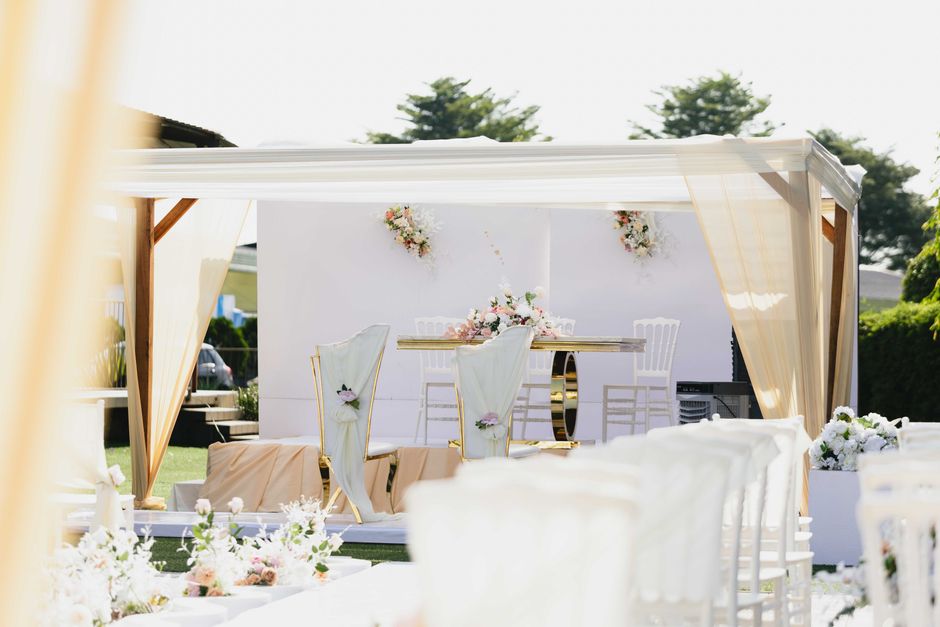
Photos matter. Invest in the bouquet, ceremony backdrop, entrance arrangement, and one or two reception focal points before filling every surface with flowers. Guests remember the overall atmosphere; photos preserve the details.
Use seasonal thinking
Seasonal flowers often give you better value and a fresher look. You may not get every bloom from a Pinterest reference, but you can usually get the mood, shape, and colour palette quite closely. That's often the smarter trade.
Let foliage do some of the work
Well-chosen greenery can make arrangements look fuller without inflating the stem count too much. It also softens harsh venue lighting and helps everything feel cohesive. In winter especially, a little texture goes a long way.
Choose fewer statement pieces
Instead of five medium-impact items, one strong feature can set the tone. A meaningful ceremony arrangement, for example, may be more effective than spreading the budget too thinly across every table. Not every surface needs a flower moment. Deep breath.
Be open about budget
This sounds obvious, but it helps. If a florist knows your ceiling from the start, they can guide you toward designs that actually fit. Nobody benefits from a dreamy proposal that quietly doubles after revisions.
For many couples, the most helpful starting point is looking at a ready-made wedding range such as bridal bouquets, bridesmaid bouquets, and buttonholes, then building the rest of the scheme around those core pieces.
Common Mistakes to Avoid
Most wedding flower budget problems are predictable. The good news is that they are also avoidable if you know what to look for.
- Only budgeting for the bouquet: the bouquet is important, yes, but the full floral picture usually matters more.
- Ignoring venue logistics: a venue that is difficult to access can increase setup time and cost.
- Choosing too many styles at once: mixing lots of colours and flower types can make the design feel less intentional and harder to price cleanly.
- Not checking what is included: delivery, labour, and collection can be separate from the flowers themselves.
- Assuming all flowers are seasonal in the same way: some blooms are more available than others, and availability changes by week, not just by month.
- Forgetting after-use flowers: some arrangements can be moved from ceremony to reception, which is a smart way to stretch the budget.
One practical example: a couple orders floral columns for the ceremony and then discovers they cannot be reused at the reception because the room turnaround is too tight. That is not a flower problem exactly. It is a planning problem. But the budget feels it all the same.
Also, don't fall into the trap of thinking "more flowers = more luxurious." Sometimes the most elegant weddings are the ones with fewer, better-placed pieces and stronger colour discipline. Quietly stylish. Not showy. Much harder to get right, by the way.
Tools, Resources and Recommendations
You do not need a complicated toolkit to plan wedding flowers, but you do need a simple way to stay organised. A spreadsheet is usually enough. Old-fashioned? Maybe. Reliable? Absolutely.
Useful tools and resources for planning include:
- A floral checklist: list every item, quantity, and placement.
- A venue floor plan: even a rough sketch helps identify where flowers will actually be seen.
- Inspiration images: keep a few examples that show shape, density, and colour rather than only close-up bouquet photos.
- A budget tracker: record base price, extras, and any delivery/setup fees.
- Colour swatches: useful if your dresses, linens, or decor already have defined tones.
For flower care and timing, a florist's advice should always come first, but it also helps to understand practical care basics. Fresh flowers need cool handling, clean water where relevant, and protection from heat. If arrangements are arriving early in the day, ask how they will be stored before setup. In London weather, even a mild afternoon can matter more than you think.
If you want to compare price-conscious options, browsing cheap flowers Cricklewood NW2 alongside more premium styles can help you understand the value range before you commit.
For couples who want something fuller and more polished, a collection like luxury flowers may be more suitable than a purely budget-led option, especially for the bouquet and ceremony focal points.
Law, Compliance, Standards, or Best Practice
Wedding flowers are not heavily regulated in the way some professional services are, but there are still sensible standards and practical duties to consider. The main one is care. Flowers must be handled safely, delivered as promised, and installed in a way that does not create unnecessary risk for guests or venue staff.
Best practice includes:
- Clear delivery instructions: the florist should know the venue access point, the setup time, and who will receive the flowers.
- Venue permission: some spaces restrict hanging installations, open flames, or items that could damage surfaces.
- Safe placement: arrangements should not obstruct exits, walkways, or tables in a way that creates hazard or discomfort.
- Transparent terms: check cancellation, substitution, and refund terms before confirming the order.
- Handling fresh produce carefully: flowers are delicate products, so timing and storage matter more than people expect.
It is also sensible to ask what happens if a specific stem is unavailable. Good practice is not to overpromise exact blooms when supply can vary. A reliable florist will usually design around the style and colour story rather than hinge everything on one exact flower. That flexibility saves stress on all sides.
If you are reading the small print, make sure you understand payment timing too. The payment page is worth checking early so the order process is clear before the wedding week gets busy.
Options, Methods, or Comparison Table
Different wedding flower approaches suit different budgets and venue types. The best option is not always the grandest one; it is the one that fits your day, your room, and your priorities.
| Approach | What it usually includes | Budget feel | Best for |
|---|---|---|---|
| Minimal essentials | Bridal bouquet, buttonholes, a few table pieces | Lower | Intimate weddings, tight budgets, simple venues |
| Balanced package | Bouquets, buttonholes, ceremony flowers, guest table arrangements | Mid-range | Most Cricklewood venue weddings |
| Full styling setup | Multiple focal points, aisle decor, centrepieces, entrance flowers, extras | Higher | Large receptions, strong visual themes, photo-led weddings |
| Luxury statement design | Premium blooms, bespoke structures, layered tablescape styling | Highest | High-impact celebrations and design-led events |
In practice, many couples land somewhere between minimal essentials and balanced package. That middle ground often gives the best value. The room feels finished, the photos look considered, and the budget remains under control. Sensible, really.
Case Study or Real-World Example
Here is a realistic example based on a typical Cricklewood wedding brief. A couple is hosting a civil ceremony followed by a reception in the same venue. They want the space to feel romantic but not overloaded, and they have a fixed floral budget. Their first instinct is to allocate most of it to one dramatic bouquet and a large ceremony display.
After reviewing the venue layout, the better approach becomes clear. The ceremony room already has enough architectural presence, but the reception area feels quite plain. So the budget is rebalanced. They keep a strong bridal bouquet, add bridesmaid bouquets and buttonholes, use one fuller ceremony arrangement that can be moved to the reception entrance, and choose simple but elegant table flowers for the guest tables.
The result is not "more flowers everywhere." It is better use of the same budget. Guests experience flowers in more places, and the couple gets more photos with meaningful floral detail. No one misses the extra filler arrangements they would otherwise have paid for. That's the trick, honestly.
What made the difference? Three things: the venue was assessed properly, the florist was given a realistic budget, and reusable pieces were planned from the start. Small decisions, but they add up fast.
Practical Checklist
Use this checklist before you confirm your wedding flower order:
- Have I listed every floral item needed for the ceremony and reception?
- Do I know which flowers will be seen in photos most often?
- Have I checked whether the venue needs extra setup time or access arrangements?
- Am I clear on what the quote includes and excludes?
- Have I asked about substitutions if certain blooms are unavailable?
- Can any arrangements be moved from ceremony to reception?
- Have I matched flower style to venue size and table layout?
- Do I know whether hire items, vases, or stands are included?
- Have I allowed a small contingency for changes?
- Does the floral plan still feel like us, not just a catalogue page?
If you can tick most of those off, you are in a strong position. Not perfect. Few weddings are. But strong enough to make better decisions and avoid rushed ones.
Conclusion
The real cost of wedding flowers in Cricklewood venues is about much more than the bouquet price. It's about venue layout, design choices, seasonality, installation effort, and how much visual impact you want from each part of the day. Once you understand those layers, budgeting becomes far less mysterious.
The best approach is simple: prioritise the moments guests will notice, reuse arrangements where possible, and be honest about what your venue truly needs. That is how couples get beautiful flowers without paying for fluff they never really wanted. And if you ask me, that's a better wedding day story than "we bought too many centrepieces and ran out of budget for the cake flowers."
If you are still refining your plans, compare bouquet styles, table pieces, and full wedding sets before deciding. A clear floral plan now saves time, stress, and money later. And that calm feeling on the morning of the wedding? Worth a great deal.
Get a free quote today and see how much you can save.
Frequently Asked Questions
How much do wedding flowers usually cost in Cricklewood venues?
It depends on the number of arrangements, the flower types, the season, and whether delivery and setup are included. A small wedding may only need a handful of pieces, while a full venue styling package can cost much more. The safest approach is to price the full floral plan, not just one bouquet.
What makes wedding flowers more expensive?
Premium blooms, out-of-season flowers, custom design time, venue installation, and last-minute changes all increase cost. Complex arrangements or items that need special structure also take more labour, which is often a bigger factor than people expect.
Can I save money by choosing seasonal flowers?
Usually, yes. Seasonal flowers often offer better availability and better value. They can still look very elegant, especially when the colour palette and arrangement style are chosen carefully. You may need to be flexible on exact stems, though.
Do I need flowers for both the ceremony and reception?
Not always. Some couples focus only on the bouquet and reception tables, while others want flowers in both spaces. It depends on the venue and the atmosphere you want. If the ceremony and reception happen in the same room, reusable arrangements can be a smart option.
What's the best way to keep wedding flower costs under control?
Start with priorities, not a full wish list. Pick the key areas that matter most visually, then build around those. Ask for a clear breakdown, and be open to substitutions or fewer statement pieces. That tends to keep the budget realistic without making the design feel sparse.
Are buttonholes and bridesmaid bouquets worth the cost?
Often, yes, because they help the whole wedding party feel coordinated. They also show up in close-up photos. If the budget is tight, you can reduce the number of extras, but a few carefully chosen pieces usually add polish without overwhelming the budget.
How far in advance should I book wedding flowers?
Earlier is generally better, especially for popular dates or specific flower requests. Booking ahead gives you more time to discuss style, seasonal alternatives, and venue logistics. If you leave it late, the design may need to be simpler or more flexible.
Can wedding flowers be reused during the day?
Yes, and this is one of the smartest ways to stretch value. Ceremony arrangements can sometimes be moved to the reception entrance, top table, or cake display. The florist needs to plan for that from the start, because timing and handling matter.
What should I ask a florist before I accept a quote?
Ask what is included, whether setup and collection are covered, which flowers are seasonal, whether substitutions may happen, and how delivery works at your venue. A good quote should feel clear rather than vague. If it feels fuzzy, ask again.
Is it better to choose one big floral feature or lots of smaller arrangements?
That depends on the venue. One strong focal point can create a lot of impact, but a spread of smaller arrangements may suit a larger space or a more relaxed look. In many cases, a mixed approach gives the best balance: one or two statement pieces plus practical table flowers.
How do I know if I'm overpaying for wedding flowers?
Compare what the quote includes, not just the headline price. Delivery, labour, hire items, and structure all matter. If a quote seems high, ask for a version with fewer pieces or simpler blooms so you can see how much value each part adds. That usually clarifies things quickly.
Can I mix budget flowers with luxury flowers in the same wedding?
Absolutely. In fact, that is often the best strategy. Many couples use premium flowers for the bouquet and key photos, then keep table pieces simpler. Done well, the whole wedding still looks elegant, just more intelligently planned.